Israelis Cast Ballots in Tight Vote on Netanyahu's Future
Polls suggest a close race between the prime minister and Gadi Eisenkot as millions vote on Tuesday.
By Isabella Vega ·
Jerusalem, Israel. Voting began Tuesday in a national election that many observers view as a direct test of Prime Minister Benjamin Netanyahu's leadership. The contest follows the Hamas-led attack of October 7, 2023, and the subsequent wars that have reshaped the region.
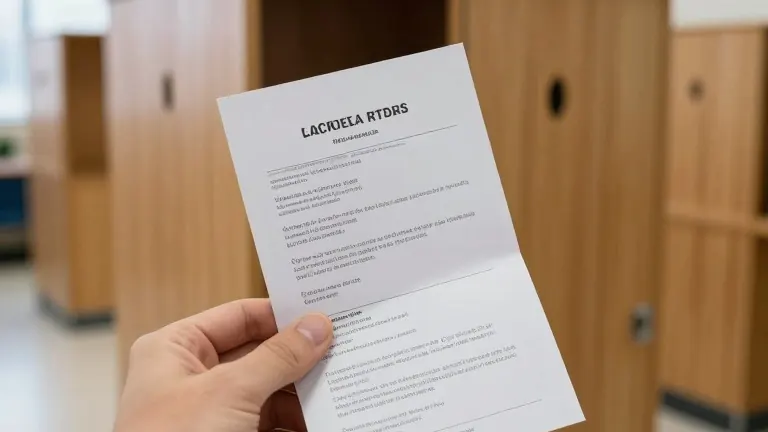
Voters in the country are selecting parties rather than individual candidates. These parties will then negotiate to form a governing coalition. No single party has ever secured the 61-seat majority required to rule the 120-member Knesset, making post-election negotiations a critical phase of the process.
Emotions ran high at polling stations across the country. In Kiryat Shmona, a northern city near the Lebanese border, a man tore down a campaign poster for Gadi Eisenkot, who is widely considered Netanyahu's main rival. Eisenkot is the former military chief and leads the opposition bloc.
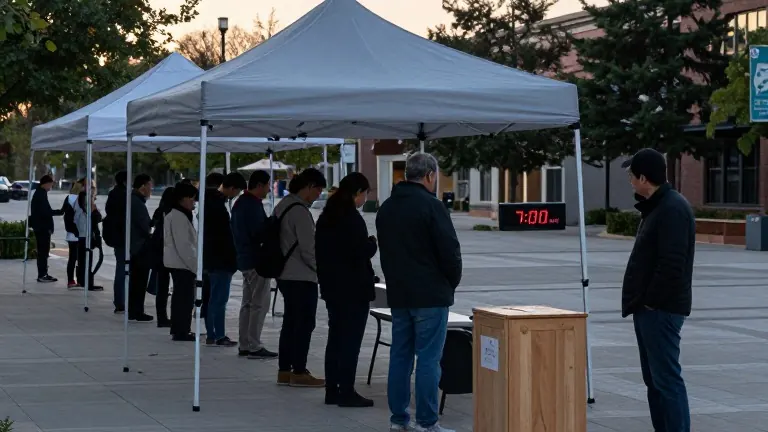
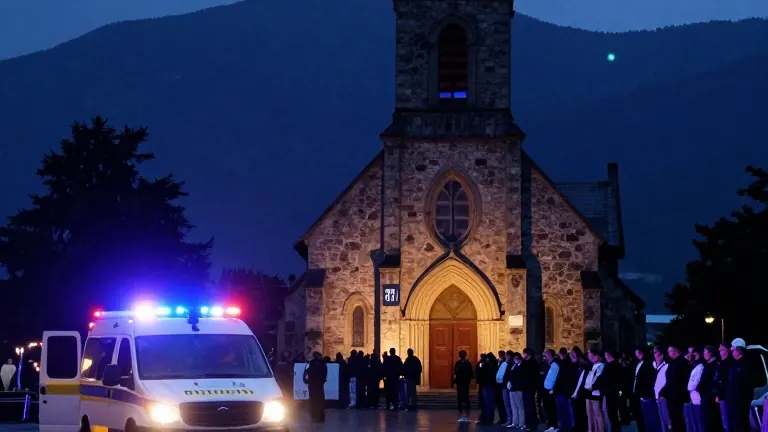
In Tel Aviv, families of hostages and victims of the 2023 attack observed a moment of silence. Yona Adam, the mother of Mapal Adam, who was killed in the attack, asked voters to remember those who are no longer with them. In Jerusalem, voters expressed divided views on whether the prime minister should continue his current strategy.
Nisim Cohen, a reservist voting in Jerusalem, said he wanted Netanyahu to win to continue the wars in Gaza, Lebanon, and against Iran. Cohen stated that he did not hold the prime minister responsible for the events of October 7. Meanwhile, Eisenkot campaigned in Ofakim, a southern community struck by the 2023 assault. He lost his son and two nephews in combat in Gaza.
More than 7.3 million Israelis are eligible to vote, according to the Central Election Committee. This group includes approximately 330,000 young Israelis who completed high school during the ongoing conflicts. Around 12,000 polling stations opened for the vote, with thousands of volunteer observers monitoring the proceedings to ensure procedures were followed.
The 77-year-old prime minister has dominated Israeli politics for nearly two decades. A victory would solidify his reputation as a political survivor, while a defeat could end his long career. Earlier this month, U.S. President Donald Trump backed Netanyahu's reelection. However, the late endorsement was seen as a setback for the Likud leader, who had previously cited his relationship with the U.S. president as a key asset for staying in power.
The campaign focused heavily on the security failures of October 7 and Netanyahu's refusal to accept a state commission of inquiry. Critics also pointed to his efforts to exempt ultra-Orthodox Jews from military service and a 2023 judicial overhaul. Polling stations are scheduled to close at 10 p.m. in most areas, with ballots counted manually at each location immediately after voting ends.
Source: Philadelphia Daily News · original report published