Uganda bills travelers for Ebola isolation
Citizens returning from the Democratic Republic of Congo must now fund their own 21-day quarantine as new transmission links emerge in Kenya and Nigeria.
By George Mitchell ·
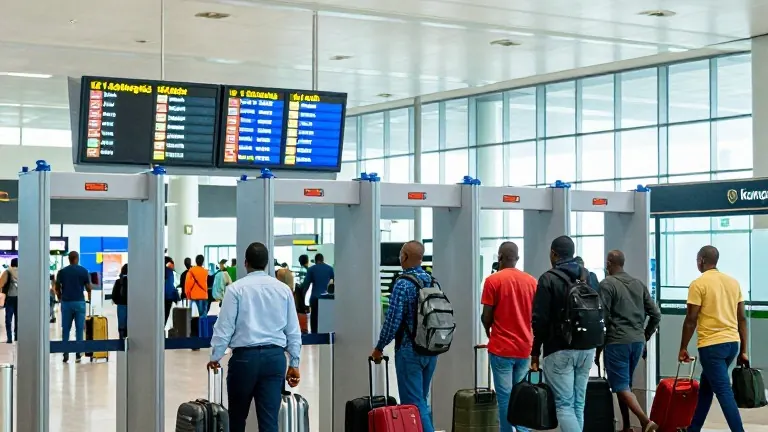
Uganda has introduced a new rule requiring citizens returning from the Democratic Republic of Congo to pay for their own 21-day isolation. The health ministry announced the measure on Sunday to prevent the Ebola virus from entering the country. This policy shifts the financial burden of containment onto the travelers themselves rather than the state budget.
The new regulations also prohibit travelers from DR Congo from using Uganda as a transit point. Only essential travelers are currently permitted entry. Minister of Health Chris Baryomunsi stated that these individuals will face intense public health measures. He explained that the goal is to keep Uganda free of the disease.
The decision follows the discovery of two Ebola cases in neighboring countries that were linked to passage through Entebbe International Airport. One patient was a Ugandan-born woman in Nigeria who had been on holiday in Kampala. The other was a Kenyan businessman who had business interests in DR Congo. Officials said CCTV footage showed no physical contact between the two individuals in Uganda.
The Kenyan businessman died two days after arriving in Nairobi. Kenya has since confirmed eight additional cases, including a relative of the businessman who died over the weekend. Uganda’s health ministry reported that 60 people monitored as contacts of the Kenyan patient have all been discharged. The ministry is working with Nigeria to map the Ugandan woman’s full travel history and potential exposure routes.
Uganda shares a long border with DR Congo, where transmission continues. Communities on both sides maintain close ties through trade, travel, and family connections. Baryomunsi noted that the recent cases indicate the risk has not passed. He emphasized that the country must remain vigilant given the ongoing situation in the region.
The current outbreak in DR Congo has killed more than 4,800 people since May. This makes it the deadliest Ebola outbreak in the country’s history. The disease has spread to several other nations. Uganda recorded 20 cases and two deaths early in the outbreak before the World Health Organization declared the country disease-free in August.
Ebola spreads through contact with infected bodily fluids like blood or vomit. The Bundibugyo species driving this outbreak is relatively rare. There is no specific treatment available, though vaccine trials are underway. The ministry has increased screening at Entebbe Airport and all land border crossings to enforce the new rules.
Source: BBC News